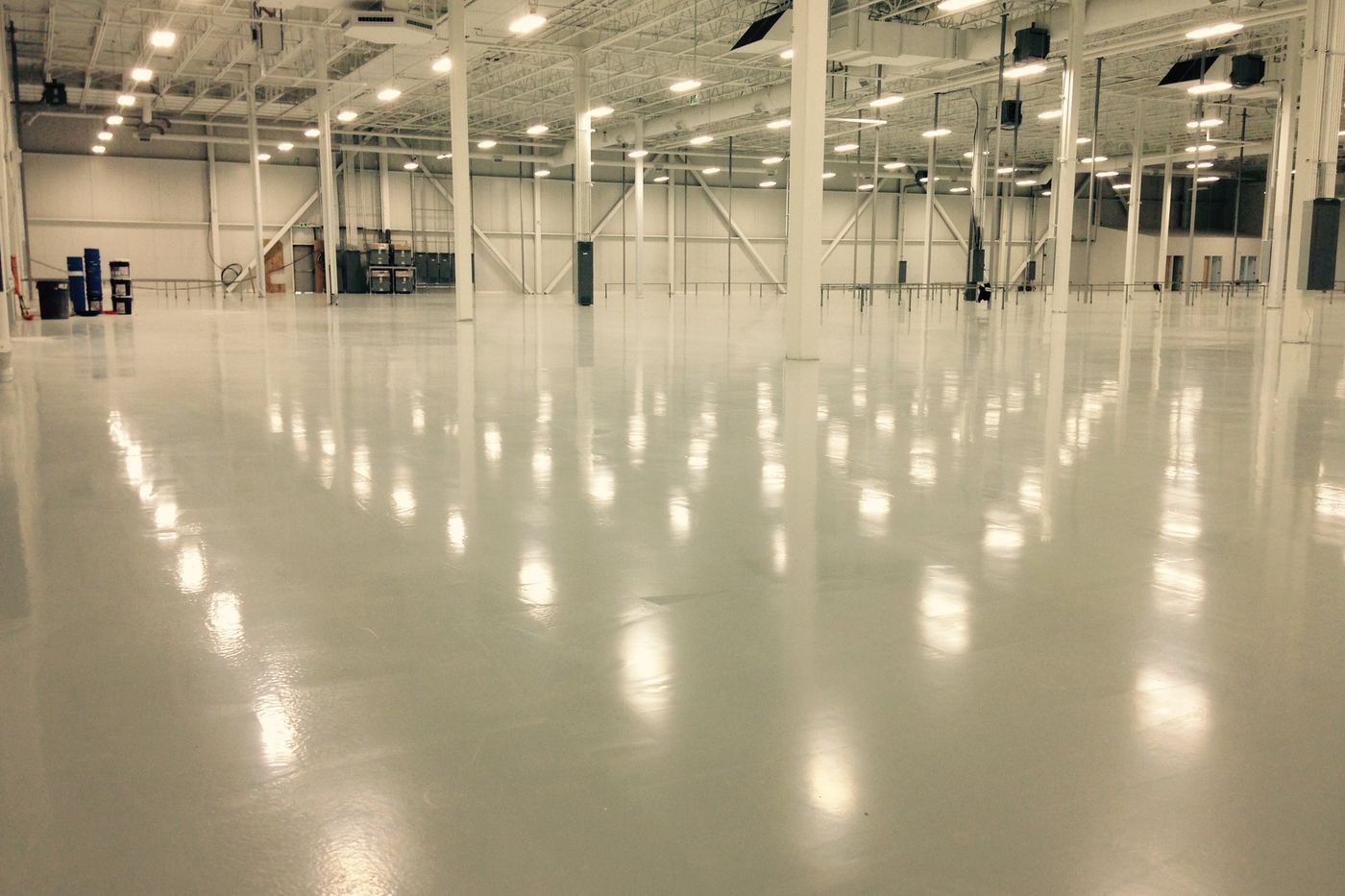
Warehouse floor coating for Dallas Fort Worth distribution and industrial space
The Floor Fathers Epoxy Flooring Co coats warehouse, distribution and light industrial floors around Dallas Fort Worth, worked one zone at a time so the building keeps shipping. Call to talk it through, or send the basics and ask for a walkthrough before the quote.
Warehouse and industrial floors: example floors
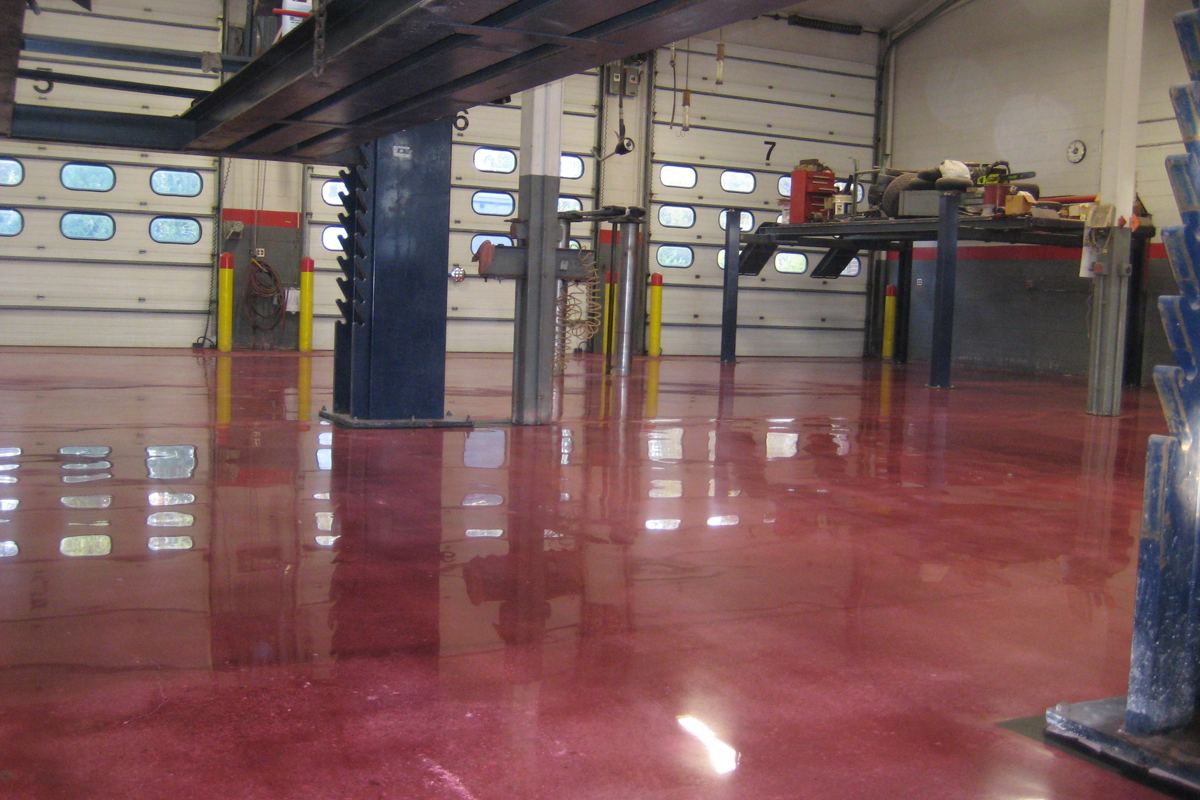
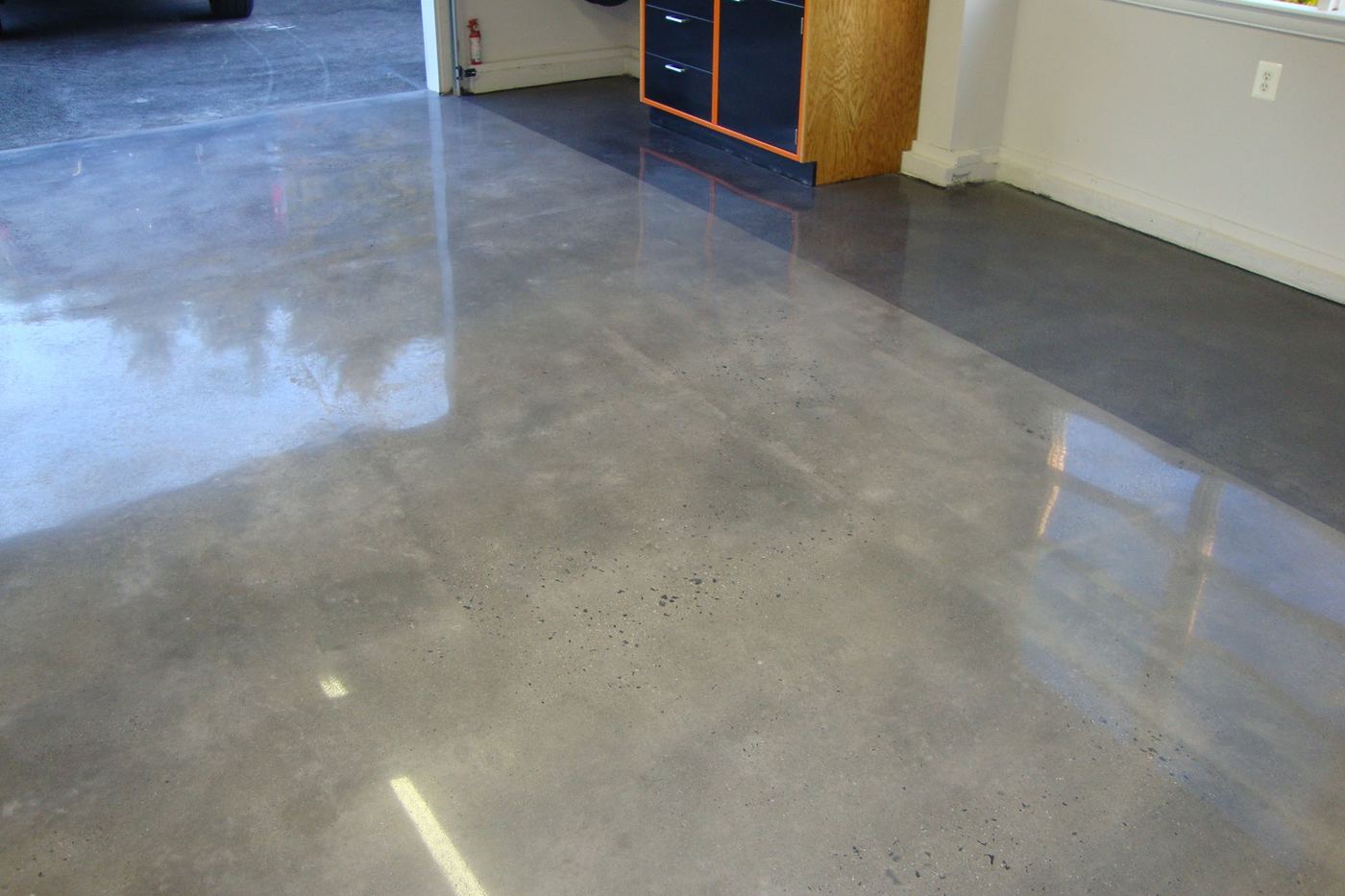
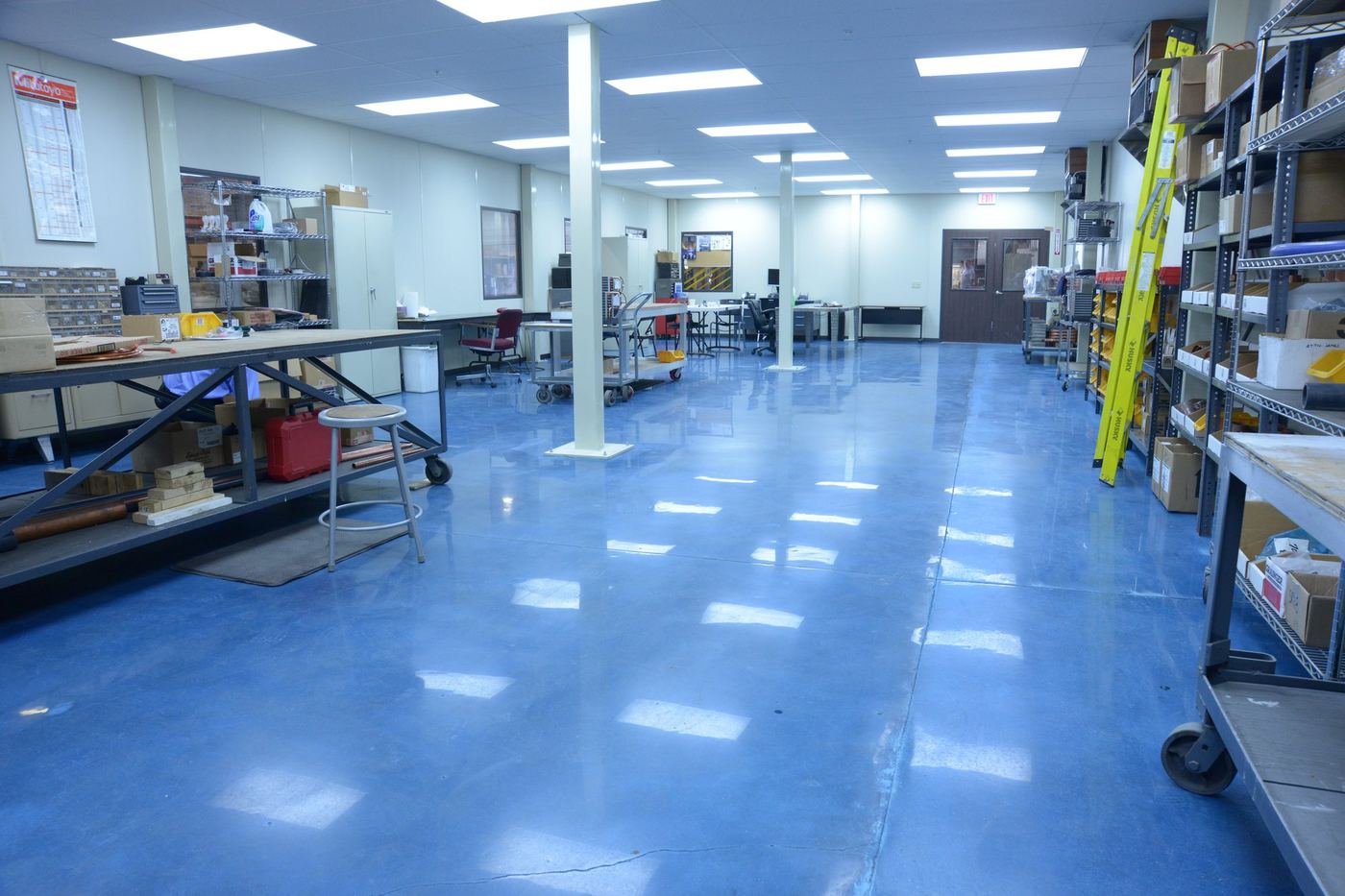
Example photos of finished commercial floors, shown for the look. Not photos of a specific past job. Ask for photos of comparable work on the walkthrough.
What matters on a warehouse floor?
Wheels, impact and downtime. The floor has to take forklifts and dropped loads, and the work has to happen without stopping the building.
Joints and dock edges take the damage first, so they are detailed first. The rest follows from how the floor is used.
Forklift and pallet-jack traffic
Hard-wearing systems for constant wheel traffic, with joints filled and dock aprons detailed so edges do not chip out.
Worked aisle by aisle
The floor is split into zones and coated one at a time, with traffic moved around the area being worked.
Striping and marked walkways
Aisle lines, pedestrian walkways and colored zones go in as part of the system, so they wear with the floor.
Brighter floors
A light solid color reflects the light you already have and makes spills and debris easy to see.
Dust control
A sealed slab stops the concrete dusting that settles on stock and equipment.
Which system fits a warehouse?
Usually a solid-color epoxy, a heavier quartz or mortar build where there is impact, or polished concrete on a sound, dry slab.
The moisture test and the traffic decide it. A slab that pushes moisture up needs a primer first, and a bay that takes dropped steel needs more build than a picking aisle.
How is a warehouse floor priced?
Per project, after a walkthrough. The existing floor, the system the space needs and when the work can happen change the cost more than the size does.
Ask for the price and the schedule in writing before anything is booked, so you know when each area is back in use.
The existing floor
Old coatings, tile, adhesive or oil-soaked concrete all add removal and prep.
The traffic
Forklift aisles and impact areas need a heavier build than walkways and storage.
Scheduling
After-hours, weekend or phased work changes the labor plan.
How does the project run?
Walkthrough
Someone walks the space with you, asks how it is used and cleaned, checks the slab and talks through the schedule. Ask for the price and the schedule in writing before anything is booked.
Moisture test
The slab is tested before a system is chosen, because moisture coming up through concrete is the most common reason coatings lift.
Prep
Old coatings and adhesives come off, and the surface is diamond-ground with dust collection so the system bonds into the concrete.
Repairs, drains and edges
Cracks and joints are repaired, and coving and drain details are built where the space needs them.
Coating system
The base, the texture or color and the topcoat go down, zone by zone if the schedule calls for it.
Handover
You walk the floor and get care instructions and the times when each area can take people, equipment and full use.
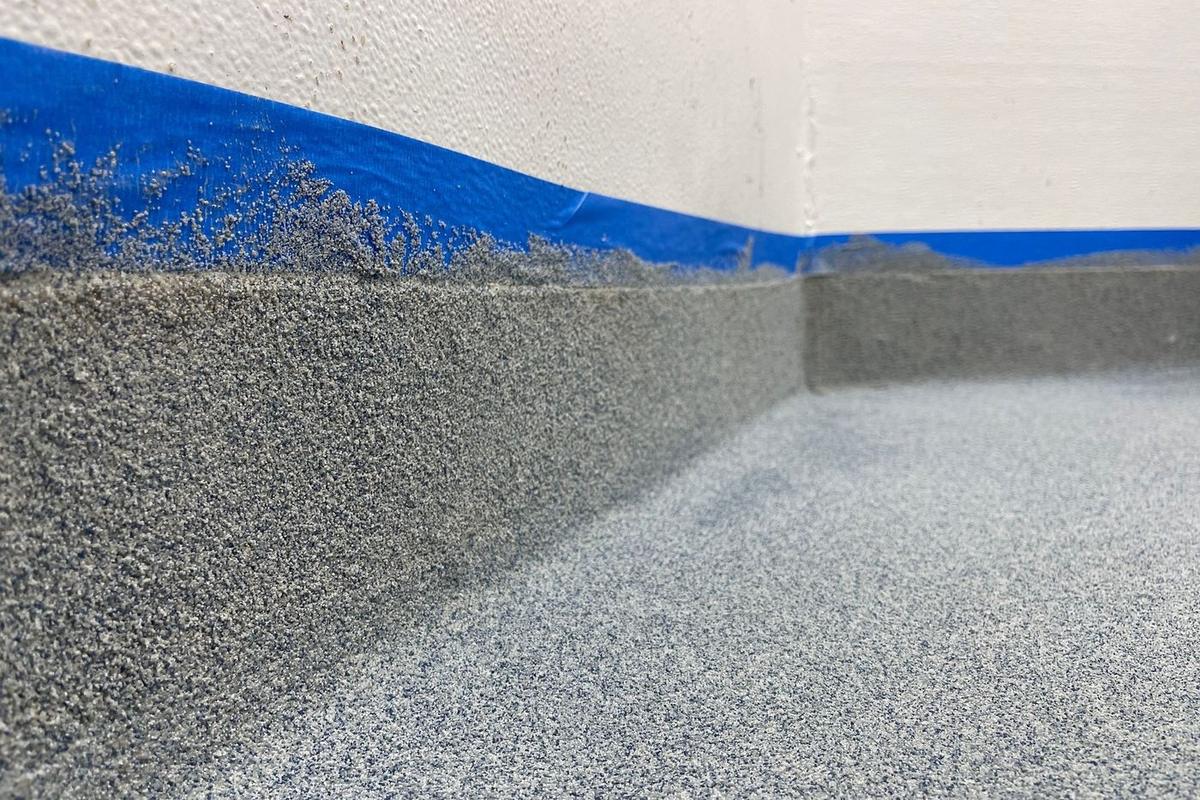
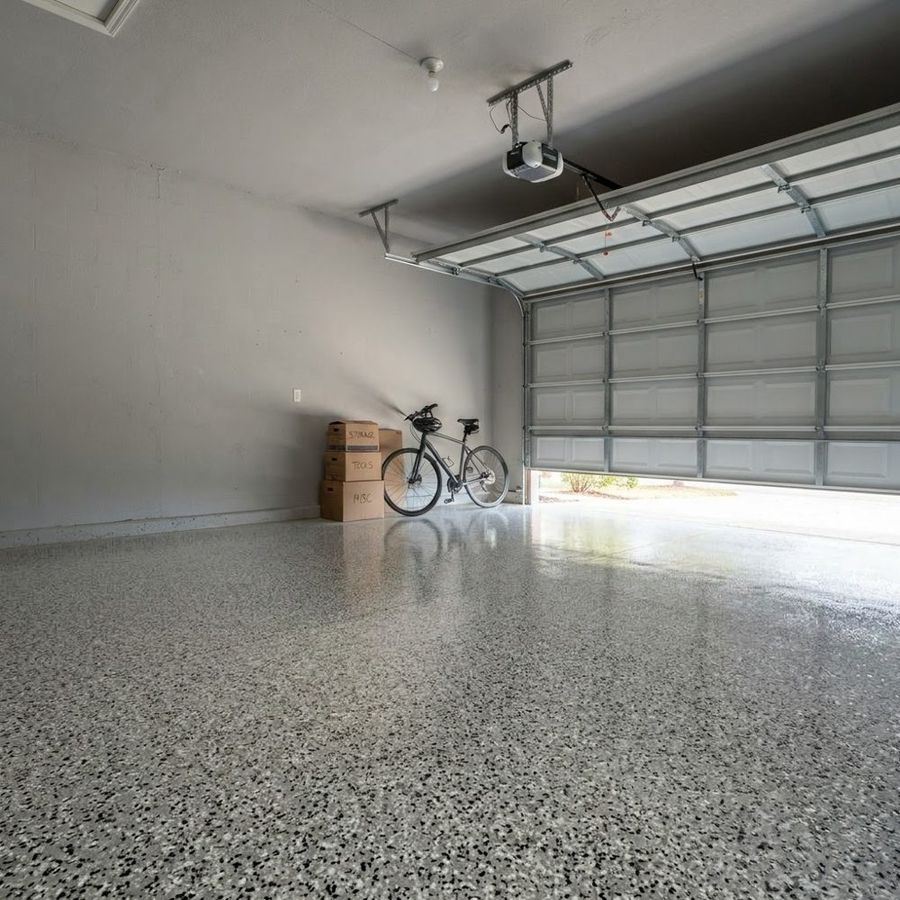
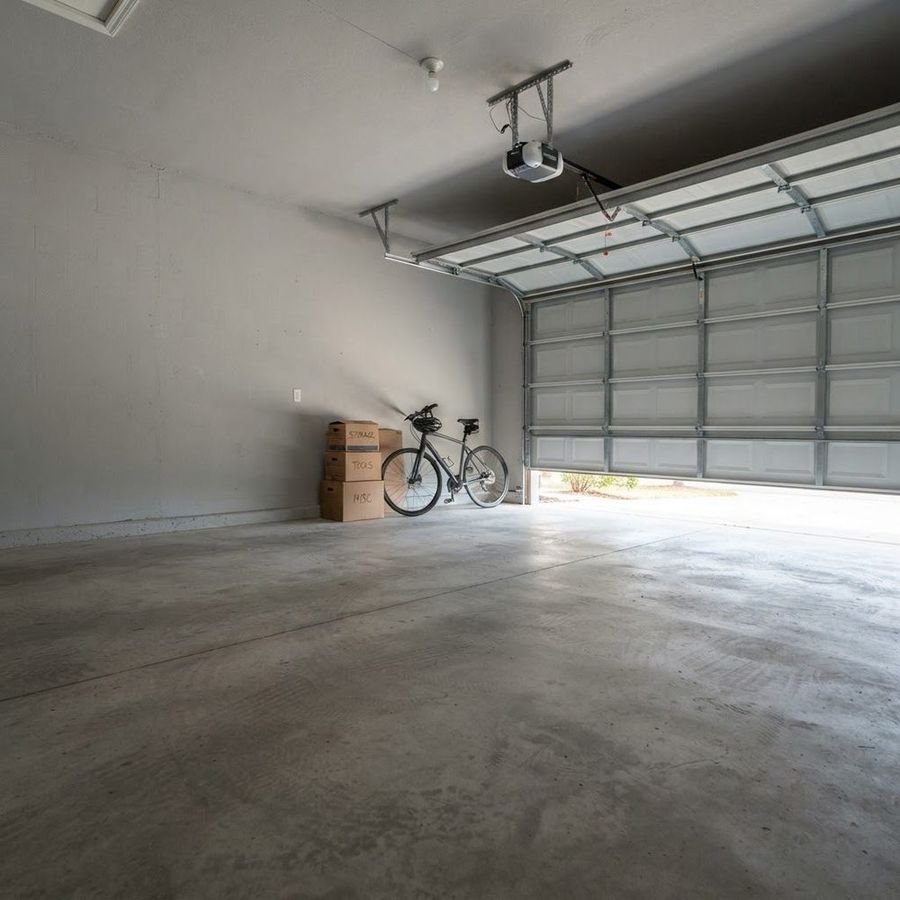
Tell us the color you like when you ask for your quote. We ask for a photo of your garage and send back a preview of your own floor in that color, before anyone starts work.
- Your garage, your color, before you decide
- Flake, metallic or solid
- Free with your quote
Questions owners and managers ask
Can you coat a warehouse while we keep shipping?
Usually, yes. The floor is split into zones and done one at a time, often at night or over a weekend, while the rest of the building keeps running. Cure times decide when each zone takes foot traffic, carts and forklifts again, so ask for that schedule in writing before work is booked.
Can aisle lines and safety striping go in at the same time?
Yes. Aisle lines, marked walkways and colored zones are built into the coating system instead of painted on later, so they wear with the floor rather than flaking off. Bring a sketch of the layout you want, or walk it through on site and it can be marked out before the work starts.
Why do warehouse coatings fail?
Most failures come from moisture coming up through the slab, a surface that was not ground open enough to bond, or a floor loaded before it was ready. That is why the slab is tested and diamond-ground first, and why each zone gets a set time before forklifts come back on it.